What are Rotary Valves? Working Principles & Types
What is A Rotary Valve?
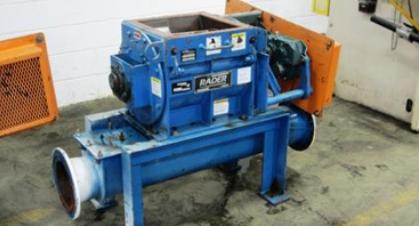
Pneumatic valves that control and meter the flow of granular bulk or powders are called rotary valves (also called rotary feeders, rotary airlocks, and so on). Material is supplied into the valve through a hopper or other inlets, processed by the valve rotor, so deposited in discrete packets onto a conveyor system, all with little pressure loss. Rotary valves are most typically employed in air conveyor systems to scale back pressure loss across the valve, but they will even be wont to meter materials at a regulated flow. they’ll transport dry to somewhat sticky goods and have a good range of uses within the chemical and food industries, additionally as pharmaceutical, plastic, and other production industries.
How Do Rotary Valves Work?
The inlet/outlet ports, yet as a secure passage for material passing through the valve, are all housed within the housing. The driving mechanism (usually an electrical motor) is mounted on the outside of the axis of rotation and regulates the rotor’s rotation speed and direction. These rotor vanes have a good clearance with the housing, preventing pressure/material losses via the valve and maintaining pressure differentials.


Comments
Post a Comment